By Cherry Pop Events — Weddings & Events with Sass & Class | cherrypop.events
Let’s talk about the wedding budget fantasy.
Month 1:
You open a spreadsheet.
You feel powerful.
You’ve got Pinterest boards, vendor tabs, color-coded dreams.
Month 2:
Reality starts nibbling at the edges.
Month 3:
You realize catering alone is half your total budget and suddenly you’re stress-eating cheese cubes in the dark, wondering who decided weddings cost this much.
If you’ve hit that “oh no” moment — breathe.
Budget collapse isn’t about lack of discipline.
It’s about lack of structure.
Today we’re building a wedding budget that can actually survive the planning process. Not a cute spreadsheet. Not wishful math. A real, operational plan.
Let’s go.
Step 1: Start With the Truth, Not the Dream

Before you price a single vendor, you need three numbers:
- Total Available Cash
- Monthly Contribution Capacity
- Hard Deadline Date
Not:
- “We’ll figure it out.”
- “We’ll use credit.”
- “We’ll tighten up later.”
Hard numbers only.
Your total available cash includes:
- Savings
- Confirmed family contributions (in writing, not vibes)
- Realistic monthly deposits between now and wedding day
If your wedding is 12 months away and you can contribute $800 per month, that’s $9,600 in future funding. Add that to your current savings.
That’s your real number.
Not your Pinterest number.
Your real number.
Step 2: Build the Budget in Phases (Not All at Once)
Here’s why most budgets collapse in Month 3:
Couples allocate everything upfront — without understanding when money is actually due.
Deposits hit early.
Second payments stack.
Final payments cluster in the last 60 days.
If you don’t map cash flow, your budget will look fine on paper and implode in execution.
Break your budget into three phases:
Phase 1 (Booking Window — Months 1–4)
Venue deposit
Photographer deposit
Planner deposit
Caterer deposit
This phase is deposit heavy.
Phase 2 (Middle Planning — Months 5–8)
Floral deposit
Rental orders
Attire purchases
Stationery
This phase feels manageable — until you realize alterations and add-ons are lurking.
Phase 3 (Final 60 Days)
Final catering payment
Final venue payment
Remaining vendor balances
Gratuities
Beauty services
Transportation
This is where budgets panic.
You must forecast these deadlines in advance.
Step 3: Use Percentage Anchors (But Adjust for Reality)
The “traditional” wedding budget breakdown looks something like this:
- 30–40% Catering
- 10–15% Photography
- 10–15% Venue
- 10% Floral & Decor
- 10% Entertainment
- 5–8% Attire
- 5–10% Miscellaneous
But here’s the truth:
Southern California pricing laughs at tradition.
If you’re planning in Los Angeles or the San Gabriel Valley, venue costs alone can eat 30% of your budget before you blink.
So instead of rigid categories, use priority tiers.
Tier 1: Non-Negotiables (Protect These)
- Venue
- Catering
- Photography
- Coordination
These impact guest experience, flow, and memories.
Cutting these too deeply leads to regret.
Tier 2: Flex Categories
- Florals
- Decor
- Rentals
- Signage
- Favors
These can scale up or down creatively.
Tier 3: Emotional Extras
- Custom cocktails
- Specialty lounge areas
- Late night snacks
- Ice sculptures (unless you’re very committed)
Fun, but not foundational.
If Month 3 hits hard, Tier 3 is the first place to trim.
Step 4: Add a 10–15% “Reality Buffer”
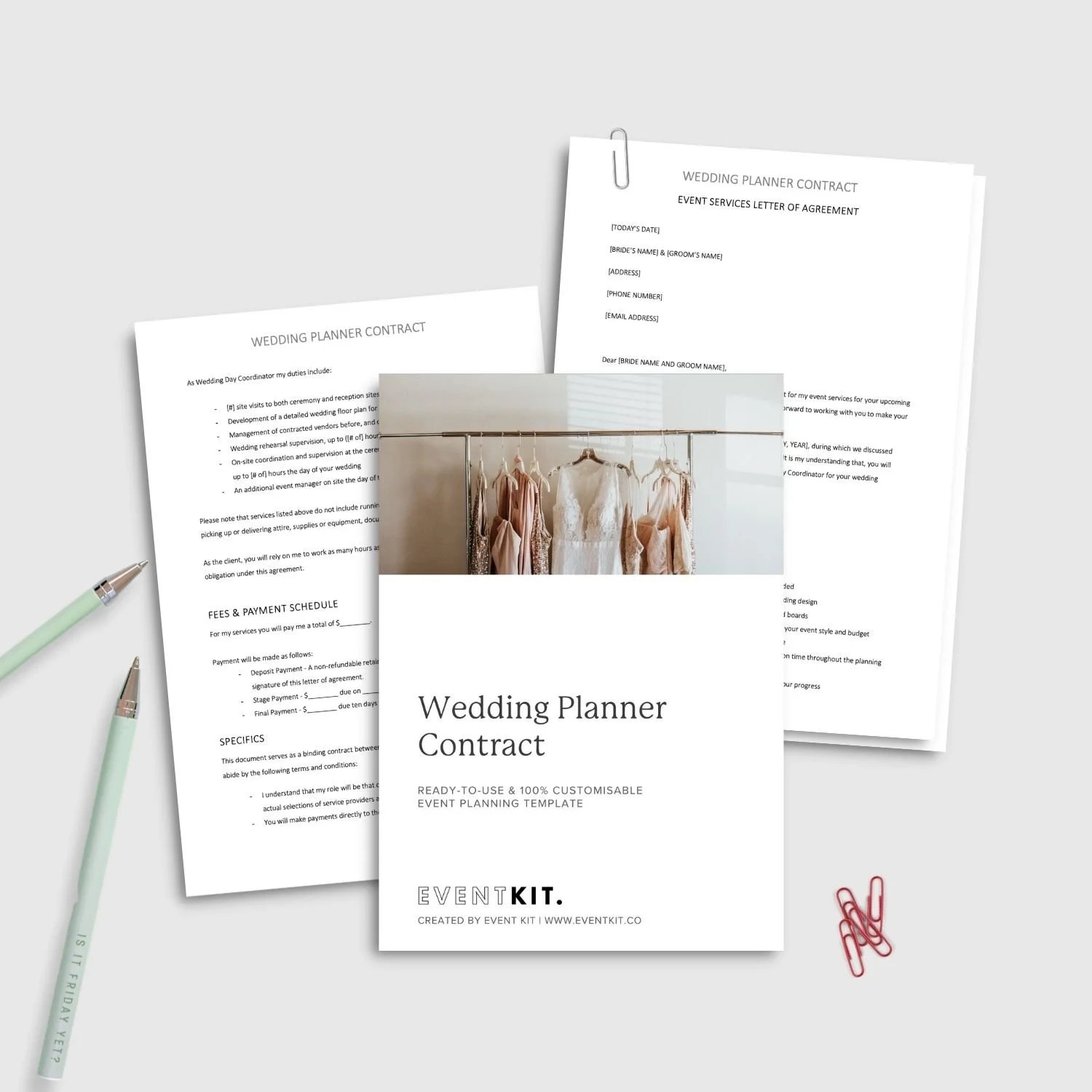
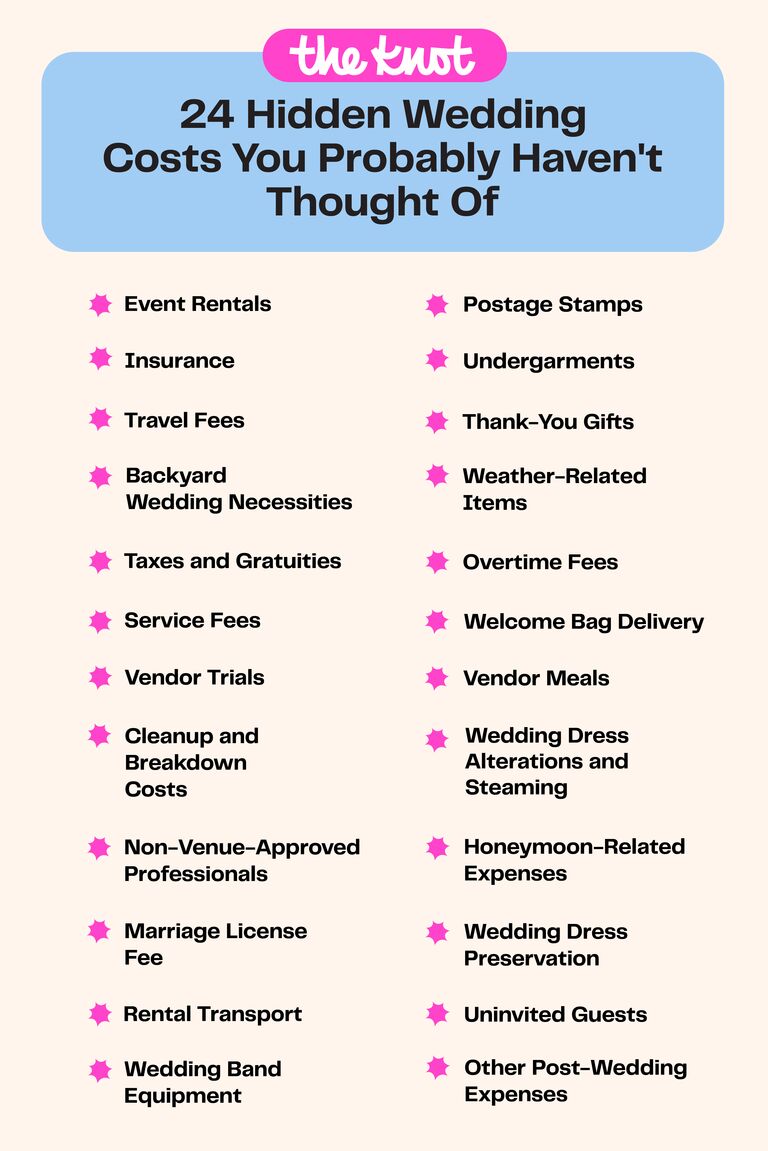
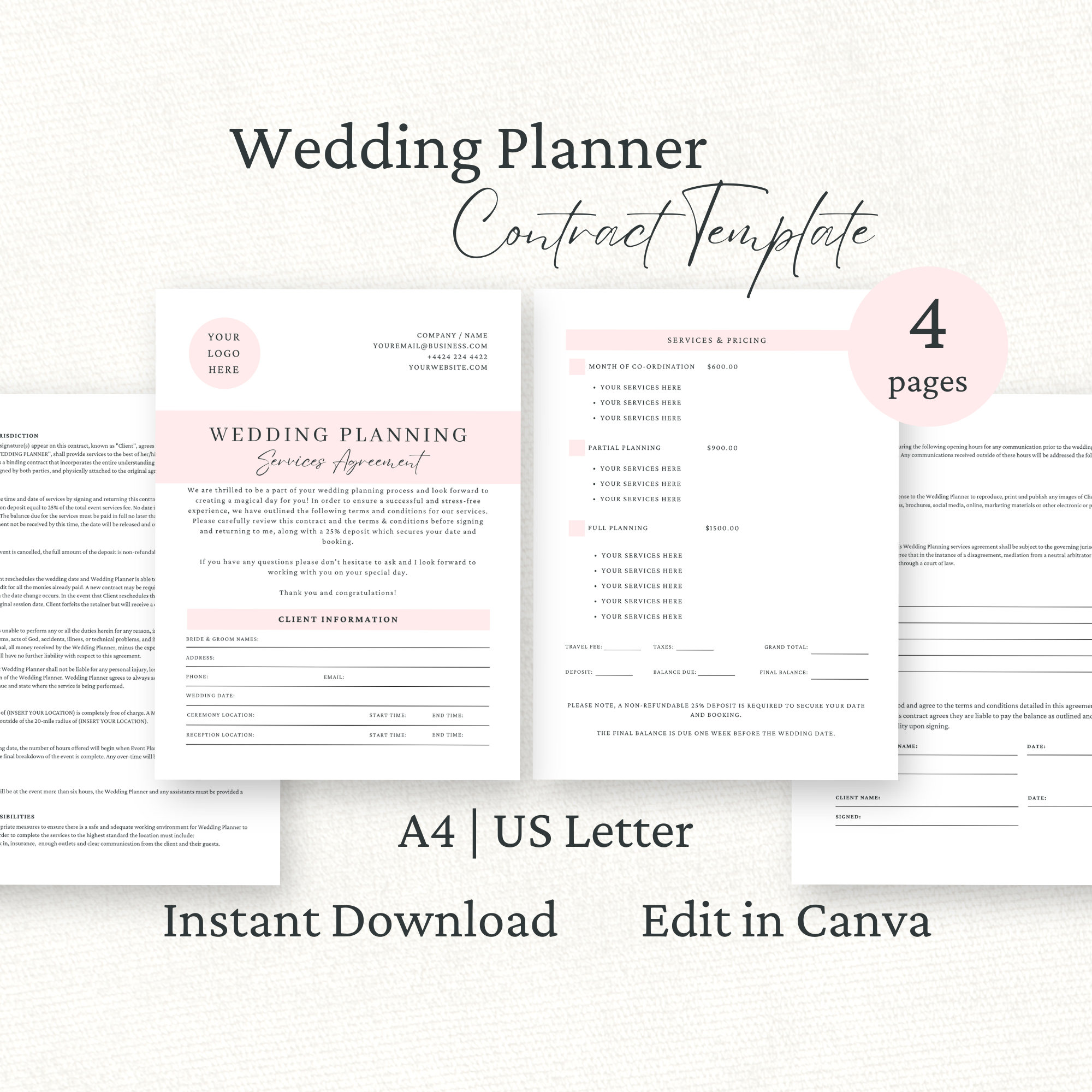

This is the most ignored step — and the reason budgets collapse.
There will be:
- Sales tax
- Service charges
- Delivery fees
- Overtime fees
- Setup fees
- Alterations
- Cake cutting fees
- Corkage
- Extra guest additions
If you do not build in a 10–15% buffer from day one, those costs will feel like betrayal.
They’re not betrayal.
They’re normal.
Buffer equals stability.
Step 5: Separate “Committed” From “Estimated”
In your spreadsheet, create two columns:
Committed Costs (signed contract + deposit paid)
Estimated Costs (quotes only)
This keeps you from counting fictional money.
Month 3 collapse usually happens because couples assume quotes are static.
They’re not.
Guest count increases.
Upgrades sneak in.
Rental quantities shift.
Inflation happens.
Your committed column keeps you grounded.
Step 6: Don’t Spend Your Cushion Early
This is the trap.
You build a $2,000 buffer.
Then you think,
“Oh, we can upgrade linens.”
No.
The buffer is not bonus money.
It is emotional insurance.
It exists to prevent:
- Panic
- Credit card dependency
- Vendor cancellation
- Sleepless nights
Respect the buffer.
Step 7: Re-Evaluate Every 60 Days
Budgets aren’t “set and forget.”
Every two months, sit down and ask:
- Has guest count changed?
- Have priorities shifted?
- Has income changed?
- Did any quotes increase?
If something moved, adjust early.
Month 3 collapse happens when couples avoid looking.
Looking early is power.
Step 8: Avoid Emotional Spending
This one is subtle.
You attend a friend’s wedding.
It’s gorgeous.
You panic-add upgrades.
Comparison spending is budget poison.
Your wedding does not need:
- Someone else’s floral ceiling
- Someone else’s specialty cocktail bar
- Someone else’s five-course plated dinner
It needs to feel like you.
Aligned weddings cost less than competitive ones.
Step 9: Know the Warning Signs of Budget Collapse
Watch for:
- “We’ll just put it on a card.”
- “We’ll figure it out later.”
- “It’s only a little more.” (Repeated 14 times.)
- Avoiding your spreadsheet entirely.
If you’re hiding from your numbers, something needs adjusting.
And adjusting early is far less painful than adjusting late.
The Hard Truth
Weddings don’t collapse because couples are irresponsible.
They collapse because no one taught them how to structure the money side.
Budget planning is logistics.
Logistics require clarity.
When you build your budget like an event timeline — with phases, buffers, and priority tiers — it holds.
When you build it on optimism alone — it wobbles.
How Cherry Pop Events Helps Protect Your Budget
Here’s where we step in.
Cherry Pop Events doesn’t just help you plan the pretty parts.
We help you:
- Build realistic vendor allocations
- Review contracts before you sign
- Forecast payment deadlines
- Identify hidden fees
- Prioritize spending
- Adjust strategically when life shifts
Our Day-Of Coordination is especially powerful for couples who’ve planned everything — but need a professional to ensure no surprise costs pop up because of timeline mismanagement or vendor miscommunication.
Because poor logistics create financial bleed.
You bring the vision.
We bring the structure.
If you’re feeling the Month 3 wobble, don’t wait until Month 9 panic.
Book your Day-Of Coordination consultation at cherrypop.events.
Let’s stabilize the plan before it spirals.
Want More Real Talk About Wedding Budgets?
If you love strategic, honest conversations about wedding planning — without the fluff — you need to tune into The Pin-Up Planner Podcast.

Every Tuesday at 6 AM, we break down:
- Budget myths
- Vendor pricing truths
- Timeline mistakes
- Guest list politics
- Planning traps no one warns you about
Clear advice.
Real strategy.
A little sass.
Search The Pin-Up Planner wherever you stream podcasts and subscribe.
Because weddings shouldn’t collapse in Month 3.
They should feel orchestrated from start to finish.
And darling — orchestration is our specialty.

Leave a comment