As a wedding planner who has spent more than two decades in an industry built on collaboration, creativity, and long hours, Labor Day has always carried deep meaning for me. While many see it as the “unofficial end of summer”—a weekend filled with barbecues, sales, and one last beach trip—the true roots of Labor Day are much more profound. It’s a holiday dedicated to honoring the American worker: the people whose labor, sacrifice, and ingenuity built the foundation of our society and continue to sustain it today.
In reflecting on Labor Day, I find myself considering not only the history of the holiday but also the way the workforce has transformed over the years, the vital role unions have played in that transformation, and how we, as professionals across industries, can continue striving for fairness, respect, and improvement in our work. In the world of weddings and events, where success depends on countless hands working together—planners, florists, caterers, musicians, venue staff, and more—these themes resonate profoundly.
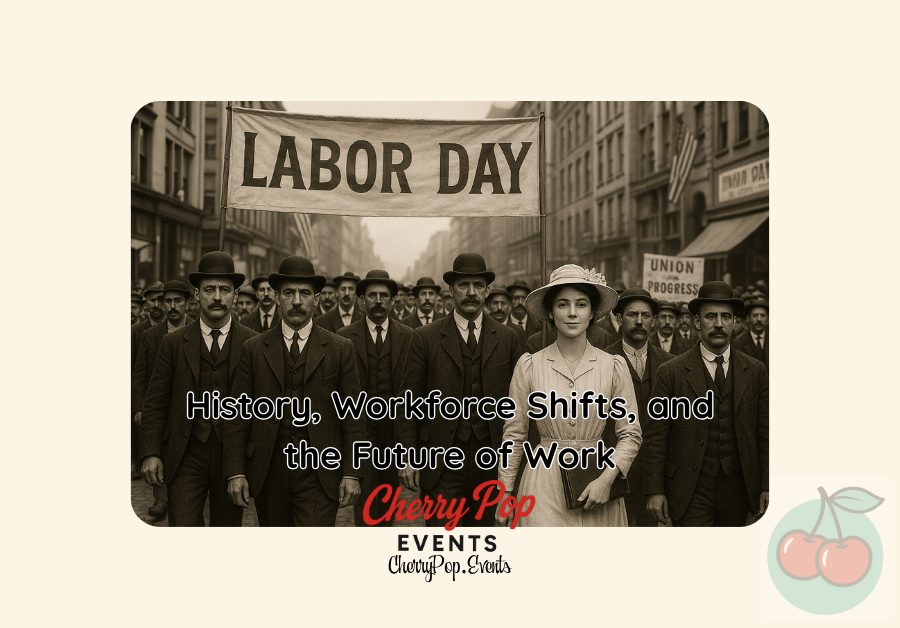
Why We Celebrate Labor Day
Labor Day was first observed in the late 19th century during a time of enormous industrial growth—and equally enormous strain on workers. Twelve-hour shifts, seven-day workweeks, and unsafe working conditions were the norm. Children as young as eight labored in factories, while adults often faced grueling conditions with little recourse for fair pay or humane treatment.
In response, labor unions and advocacy groups began organizing strikes, rallies, and marches to demand better conditions. Their courage and persistence eventually led to landmark changes: the eight-hour workday, weekends, child labor protections, and workplace safety standards. Labor Day became a national holiday in 1894, not just as a day of rest but as a recognition of the contributions workers make to the prosperity and well-being of the country.
For me, as someone who coordinates celebrations for a living, there’s a beautiful irony in Labor Day: it’s a holiday born from the struggles of work, yet it reminds us of the dignity, necessity, and nobility of labor itself. Behind every joyous wedding or event I help orchestrate is the quiet, tireless labor of many people—each deserving of acknowledgment.
How the Workforce Has Changed Over Time
Labor Day is a U.S. holiday observed on the first Monday in September to honor the social and economic contributions of American workers and the labor movement. The American workforce looks very different today than it did when Labor Day was first established. Technology has reshaped how, where, and when we work. Remote offices, digital collaboration, and automation have altered both opportunities and expectations. More people are self-employed, freelancing, or working in the gig economy—phenomena that would have seemed unthinkable a century ago.
In the wedding and events industry, I’ve personally witnessed how these shifts ripple outward. Twenty years ago, coordination meant phone trees, fax machines, and face-to-face meetings. Today, it means shared Google Docs, Zoom consultations, and instant access to vendors’ digital portfolios. Clients now expect faster communication, visual planning tools, and a near-constant stream of updates. While technology has streamlined many processes, it has also blurred the boundaries between personal and professional time.
Work-life balance, once considered a luxury, has become an essential goal for workers across fields. The pandemic accelerated this conversation, reminding us that rest, health, and flexibility are not indulgences but necessities. The lessons of that period still echo today: we must build systems that respect both productivity and humanity.
The Importance of Unions
None of the workplace protections we enjoy today came easily—they were won by collective action. Unions played an indispensable role in advocating for safe conditions, fair wages, and benefits that so many workers now take for granted. Whether in construction, education, healthcare, or hospitality, unions have consistently been a voice for dignity in the workplace.
In the wedding industry, formal unions are less common, but the spirit of collective action is still very much alive. Professional associations, coalitions of event vendors, and local networking groups often step in to provide advocacy, education, and shared standards of professionalism. These groups not only elevate the industry as a whole but also protect the individuals who might otherwise feel isolated in freelance or small-business work.
Unions also remind us of an enduring truth: when workers stand together, they have power. In an era when the gig economy can sometimes reduce people to replaceable “contractors,” remembering the value of collective strength is more important than ever.
Lessons for the Wedding/ Events Industry and Today’s Workforce
So what can our industry learn from the broader history of labor and the ongoing conversation about work?
1. Respect for Every Role
From the dishwasher scrubbing late-night pans to the florist who arrives at dawn with centerpieces, no wedding happens without the contributions of countless individuals. Respect isn’t just a “nice to have”—it’s a professional necessity. As planners, we must model gratitude and fairness in how we treat vendors, staff, and colleagues.
2. Fair Pay and Transparency
Budgets are always tight, and clients often want the “Pinterest dream” at a fraction of the cost. But squeezing vendors or underpaying staff is neither ethical nor sustainable. Advocating for fair pricing, explaining the real cost of skilled labor to clients, and paying people on time are small but powerful ways we can strengthen our industry.
3. Work-Life Balance
In wedding planning, twelve-hour days are common, especially on event weekends. But that doesn’t mean burnout should be inevitable. Setting boundaries, rotating responsibilities, and encouraging team members to rest are not only humane—they also ensure higher quality work. A burned-out planner or vendor cannot deliver their best.
4. Education and Mentorship
One of the most rewarding aspects of my career has been mentoring new planners. Just as unions fought for apprenticeships and training, we can carry forward that legacy by teaching, supporting, and uplifting newcomers. The future of the industry depends on sharing knowledge generously.
5. Safety and Well-being
Events often involve heavy lifting, hot kitchens, late hours, and emotional stress. Ensuring that safety protocols are followed, that meals and breaks are provided, and that support systems exist for mental health are as vital in our industry as they are in construction or manufacturing. Labor protections are not abstract concepts—they apply directly to how we care for our teams.
How We Keep Improving
Honoring Labor Day isn’t just about looking back; it’s about looking forward. The world of work is evolving, and so must we. Here are a few guiding principles for how industries—including weddings and events—can continue to improve:
- Champion Inclusivity: Ensure that opportunities are available to people of all backgrounds, and that diversity is celebrated rather than tokenized.
- Adopt Sustainable Practices: Protecting our planet is inseparable from protecting our workers. Eco-conscious events reduce waste, respect resources, and align with the values of younger generations.
- Support Mental Health: Openly acknowledge the stress inherent in demanding industries and provide resources, peer support, and compassion.
- Advocate Collectively: Whether through unions, associations, or informal networks, keep raising the bar on what fair work looks like.
- Celebrate Achievements: Labor Day is itself a reminder that taking time to honor achievements is part of building dignity. Celebrate not only clients’ milestones but also the hard work of your colleagues and team.
A Closing Reflection
As we gather this Labor Day with family and friends, enjoying well-earned rest and reflection, I hope we remember the deeper meaning of the holiday. It is not only a day off but a day to honor those who labor—past and present—and to recommit ourselves to building workplaces and industries that are fair, humane, and empowering.
In the wedding world, our job is to orchestrate joy. But behind that joy is an immense amount of effort: the labor of hundreds of individuals working in harmony. Recognizing and respecting that labor is part of our duty—not just as planners, but as members of a broader workforce.
Labor Day calls us to gratitude, to reflection, and to action. Let us continue to carry its lessons forward—celebrating not only the love stories at the heart of our events but also the workers whose hands make those celebrations possible.
At Cherry Pop Events, we know every celebration is built on teamwork, respect, and hard work. This Labor Day, we honor the people who make it all possible—and invite you to celebrate with us. Learn more about our event planning services at cherrypop.events.

Leave a comment